
- Digital terrestrial broadcasting of linear content such as TV and radio channels;
- Digital broadcasting of linear content over the Internet;
- On demand distribution “Internet streaming” of audio (podcasts) and audio for video content;
- Qualification and measurements of audio signals prior to and during broadcasting;
- Object-based audio applications in respect of broadcasting constraints such as limited bandwidth, various receiver capacities, rendering of immersive sound and interactivity features;
- Audio/video synchronization, also known as lipsync.
Broadcast and Online Delivery
Production
- Using Audio Objects and Spatial Audio in Sports Broadcasting
- Application of Object-Based Audio for Automated Mixing of Live Football Broadcast
- Clean Audio for TV broadcast: An Object-Based Approach for Hearing-Impaired Viewers
- The Audio Definition Model: A Flexible Standardized Representation for Next Generation Audio Content in Broadcasting and Beyond
- Challenging Changes for Live NGA Immersive Audio Production
- Sound Board: Object-Based Audio
- Practical Loudness Measurement and Management for Immersive Audio
- Dialog Control and Enhancement in Object-Based Audio Systems
- Immersive Audio: Objects, Mixing, and Rendering
Delivery
- Broadcast streaming, Ins and Outs
- Broadcast and Streaming: Immersive Audio, Objects, and OTT TV
- Efficient Compression and Transportation of Scene-Based Audio for Television Broadcast
- Sound Board: Can We Stop the Loudness War in Streaming?
- Algorithm to Determine Downmixing Coefficients from Specific Multichannel Format to Reproduction Format with a Smaller Number of Channels
- Immersive Audio, Objects, and Coding
- Streaming Immersive Audio Content
AES STANDARDS
- AES31-2-2019: AES standard on network and file transfer of audio – Audio-file transfer and exchange – File format for transferring digital audio data between systems of different type and manufacture
- AES41-1-2012-r2017: AES standard for digital audio – Audio-embedded metadata – Part 1: General
- AES41-2-2012-r2017: AES standard for digital audio – Audio-embedded metadata – Part 2: MPEG-1 Layer II or MPEG-2 LSF Layer II
- AES41-3-2012-r2017: AES standard for digital audio – Audio-embedded metadata – Part 3: AAC & HE-AAC
- AES41-4-2012-r2017: AES standard for digital audio – Audio-embedded metadata – Part 4: Dolby E
- AES41-5-2012-r2017: AES standard for digital audio – Audio-embedded metadata – Part 5: EBU loudness, true-peak, and downmix
- AES60-2011: AES standard for audio metadata – Core audio metadata
- AES67-2018: AES standard for audio applications of networks – High-performance streaming audio-over-IP interoperability
- AES69-2015: AES standard for file exchange – Spatial acoustic data file format, i.e. for storing and exchanging Head-Related Transfer Functions for binaural rendering
- AES46-2002 (s2008): AES standard for network and file transfer of audio Audio-file transfer and exchange Radio traffic audio delivery extension to the broadcast-WAVE-file format
Standards Reports and Recommended Practices – Production
- AES5-2018: AES recommended practice for professional digital audio – Preferred sampling frequencies for applications employing pulse-code modulation
- AES-R17-2017 (s2018): Standards project report – AES67 Interoperability PlugFest – London 2017
Standards Reports and Recommended Practices – Delivery
- AES-R11-2009 (s2018): AES standards project report – Methods for the measurement of audio video synchronization error
- AES-R9-2008: AES standards project report – Considerations for standardising AES metadata sets
- AES71-2018: Recommended Practice Loudness Guidelines for Over the Top Television and Online Video Distribution

Curator
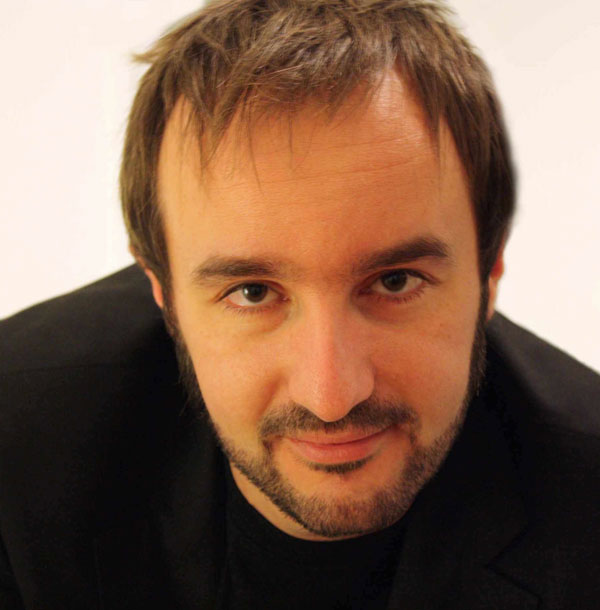
Matthieu Parmentier
Matthieu Parmentier started his audio career recording classical music CDs. He joined France Televisions “the French public broadcaster” in 1999 as a sound engineer for live programs and started the management of 3D audio and UHD video projects eight years later. Matthieu chairs the audio strategic programme of the European Broadcasting Union and co-chairs the Audio Engineering Society Technical Committee for Broadcast and Online Delivery. He chairs or participates in several collaborative R & D projects. He holds two license degrees in sound recording and video post-production and a master degree in audiovisual research from the Toulouse II University.
AES Technical Committee Broadcast and Online Delivery
- Chair: Kimio Hamasaki
- Chair: David Bialik
- Chair: Matthieu Parmentier
The committee addresses a variety of broadcast studio and distribution technologies including recording, test equipment, DAB broadcasting, and broadband telecom linking of audio systems worldwide.
